 06-03-25 /
Products Application, Novità Prodotti
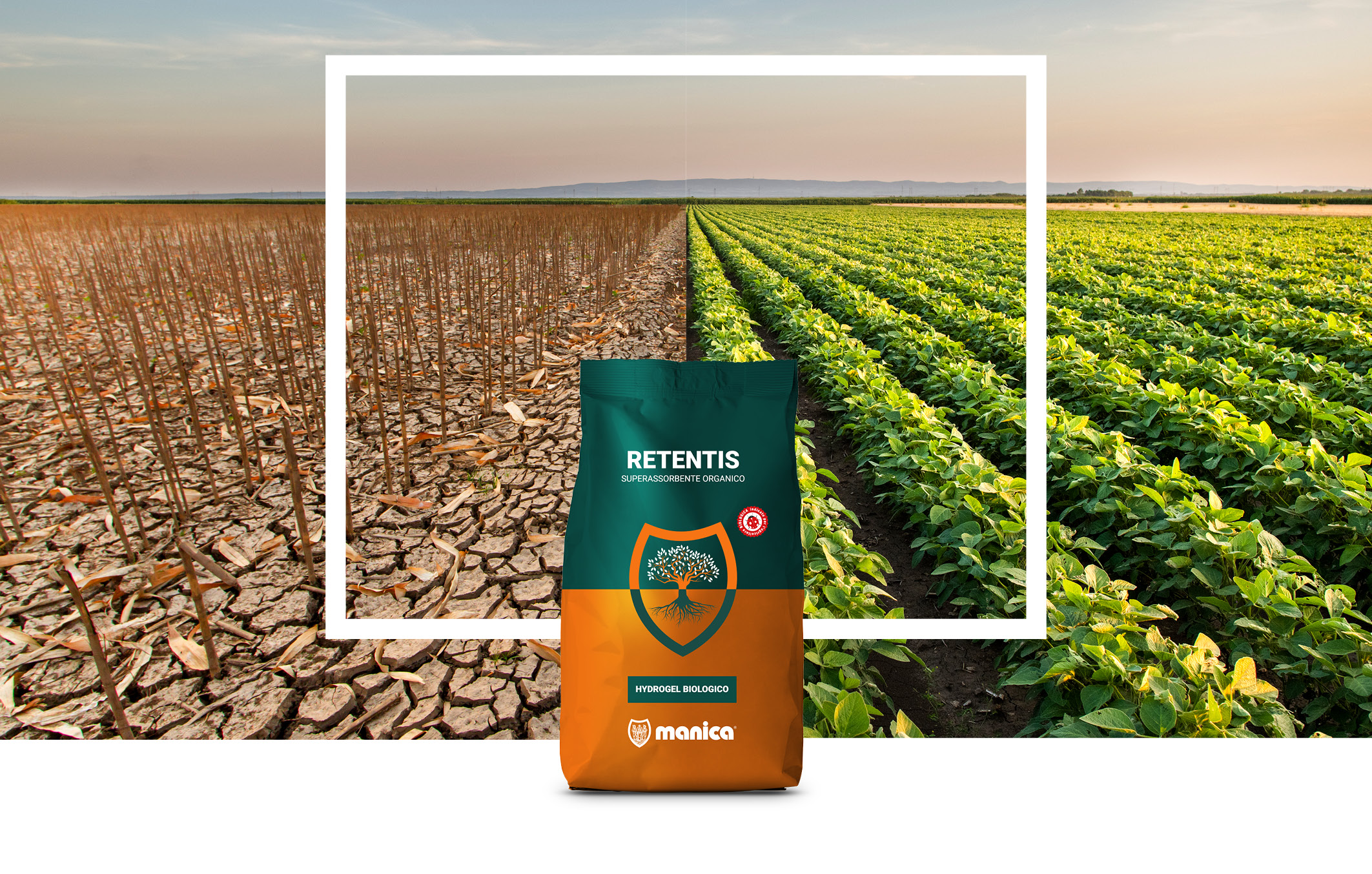
Drought events combined with rising temperatures are becoming increasingly frequent and prolonged, creating challenges for crop cultivation. Today, Manica offers an effective and sustainable solution to improve water management in the soil. RETENTIS®, an organic super-absorbent based on lignin, is obtained through a patented process of purification and drying of woody residues, which are transformed into a product capable of retaining large amounts of water and gradually releasing it to plant roots during periods of water scarcity.
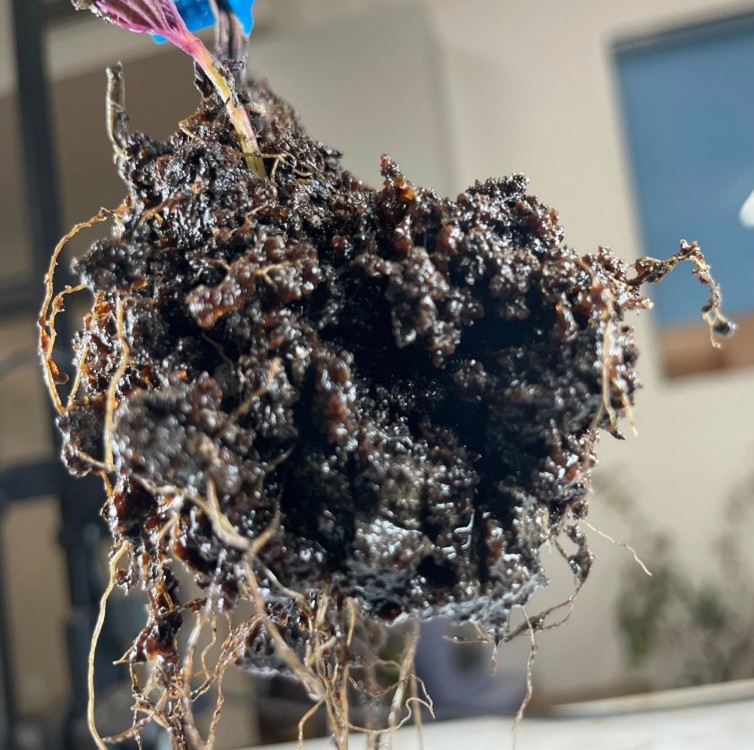
By integrating RETENTIS® into any type of soil, water retention and nutrient exchange capacity are improved. The product, when applied in the planting hole and mixed with soil, absorbs rain or irrigation water, forming a hydrating gel that gradually provides moisture to plant roots. This creates a “water battery” that reduces water stress phenomena, allowing for consistent crop growth, extending the interval between irrigations, and reducing overall water consumption.
Thanks to its completely organic composition, RETENTIS® naturally decomposes in the soil, remaining active for 3 to 5 years while maintaining its effectiveness. Eventually, it turns into organic matter that enhances soil fertility, without releasing microplastics or synthetic substances—unlike synthetic-origin hydrogels.
The main effect of RETENTIS® is to increase the water potential of the soil or substrate it is mixed with, allowing plants to exert less effort to extract water and keeping crops in a comfort state for longer periods compared to untreated soil. Besides improving soil water retention, RETENTIS® reduces nutrient leaching and promotes more balanced plant growth during drought, preventing growth stagnation in young plants, reducing risks, and accelerating the productive phase of crops.
RETENTIS® can be used on various crops. For vegetables and aromatic plants, we recommend a broadcast application of approximately 100 g/m², incorporated into the soil at a maximum depth of 5–10 cm. For trees and shrubs, use 50–100 g per plant, thoroughly mixed into the planting hole. To ensure maximum effectiveness, it is essential to activate the product with immediate irrigation or apply it just before expected rainfall.
Trials conducted with nurseries in Calabria on citrus plants in the early stages of development showed significant support from RETENTIS® under critical post-transplant conditions (temperature peaks above 40°C). RETENTIS® was mixed into the potting substrate at a rate of 2%. The repotting operations took place in June 2024, during the seasonal peak of solar radiation.
In the initial weeks, irrigation water showed low permeability, running off the dry pot surfaces.
To address this issue, a mechanical intervention was carried out to break the low-permeability surface crust, allowing RETENTIS® to fully hydrate.
By the end of August, plants treated with RETENTIS® showed much better growth conditions compared to the control, despite intense heat, while untreated pots showed a high percentage of stunted or fully withered plants.
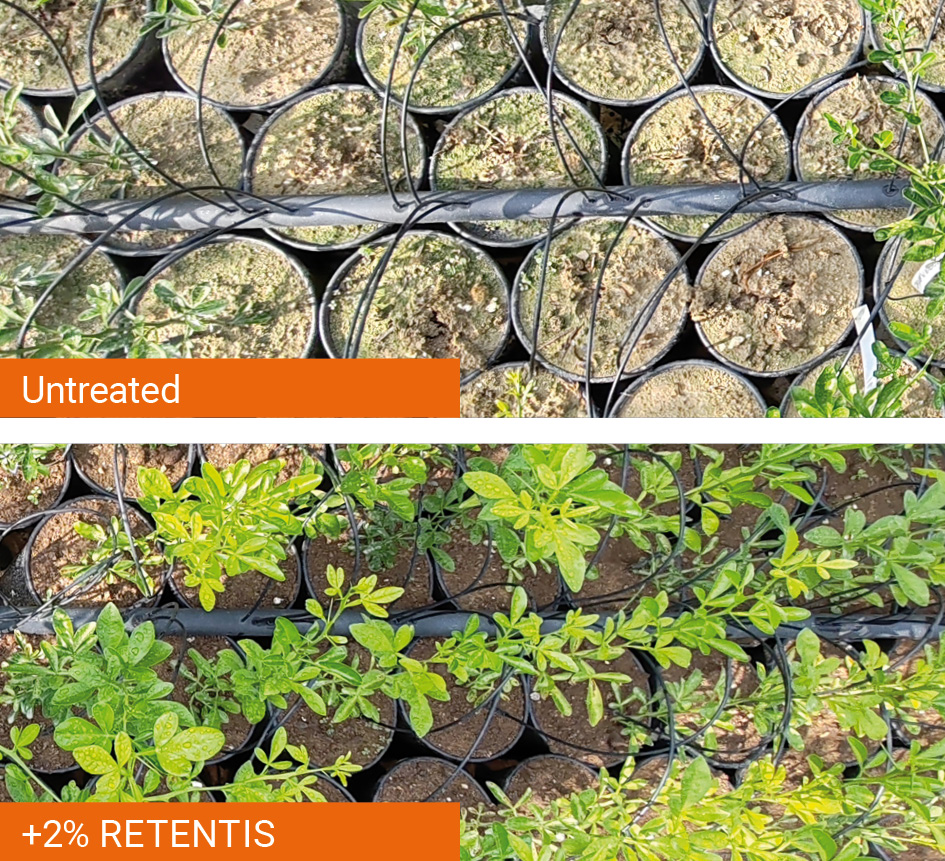
This experience highlighted the importance of hydrating RETENTIS® immediately after application in order to maximize its long-term “water battery” effect and efficacy in protecting crops from water and heat stress.
RETENTIS® is the only 100% organic and biodegradable hydrogel, also certified for use in organic farming. In addition to improving soil water retention and reducing irrigation needs, it contributes to water resource conservation and lowers crop management costs across multiple growing cycles, lasting from 3 to 5 years before naturally degrading into humus. RETENTIS® is the innovative, effective, long-lasting, and eco-compatible solution to face climate change challenges and ensure more resilient and profitable agricultural production.


